
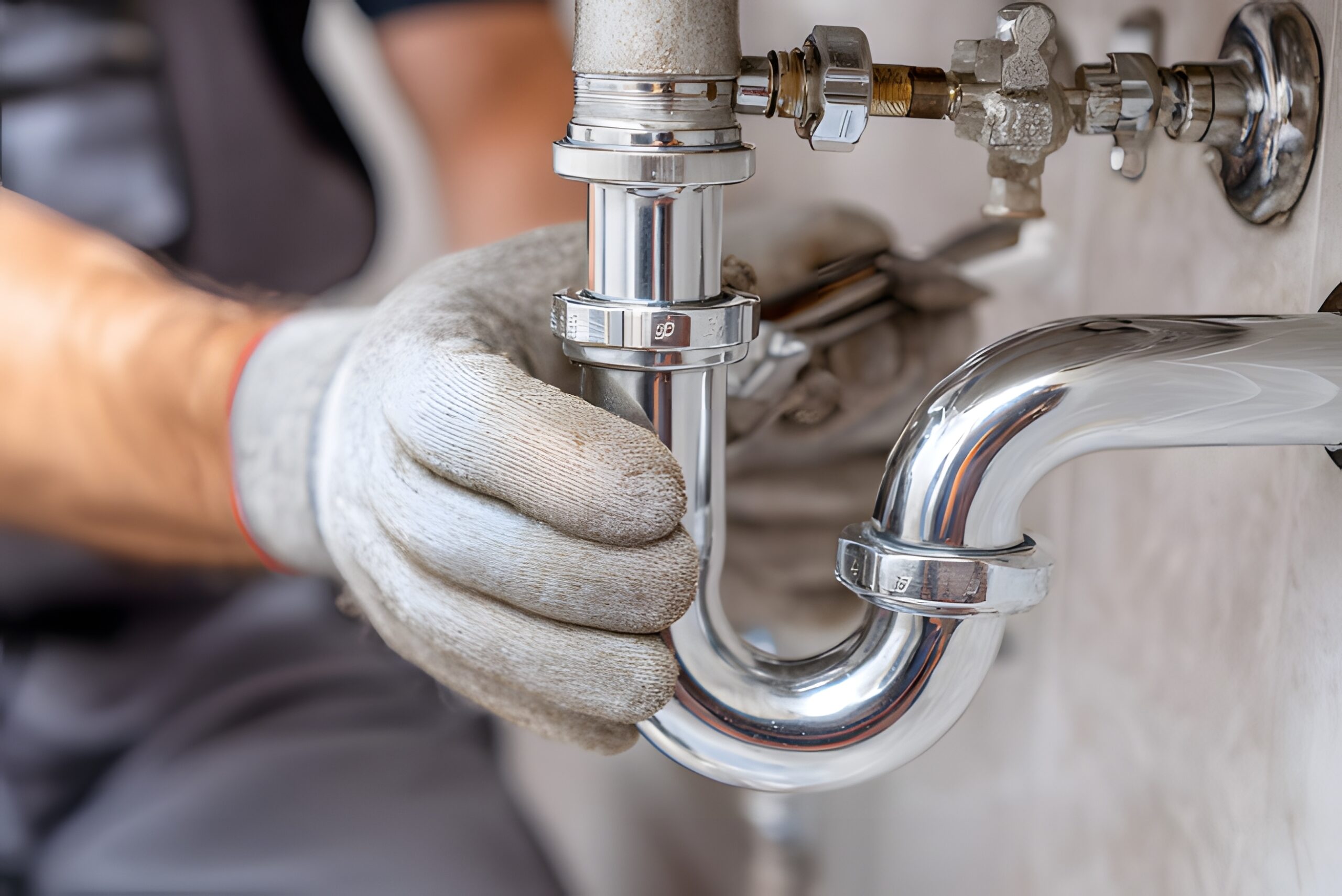
Living in New Hampshire means enjoying beautiful seasons, from vibrant autumns to snowy winters. However, the state’s unique climate and history can present specific challenges for your home’s plumbing system. A dripping faucet might be a universal problem, but issues like frozen pipes and hard water damage are particularly common in the Granite State.
Understanding these regional plumbing problems is the first step toward preventing them. Ignoring them can lead to costly repairs, water damage, and major inconveniences. This guide breaks down the top five plumbing issues New Hampshire homeowners face and provides practical solutions to keep your water flowing smoothly all year long.
1. Frozen and Burst Pipes
New England winters are notoriously harsh, and plunging temperatures put your pipes at serious risk. When water inside a pipe freezes, it expands, creating immense pressure. This pressure can cause the pipe to crack or burst, leading to catastrophic water damage once the ice thaws. Homes with pipes in uninsulated areas like basements, crawl spaces, or exterior walls are especially vulnerable.
How to Fix It:
- Prevention is Key: Before winter arrives, insulate any exposed pipes in unheated areas. You can use foam pipe sleeves, which are inexpensive and easy to install. Disconnect and drain outdoor hoses and shut off the water supply to exterior spigots. During extreme cold snaps, let faucets connected to vulnerable pipes drip slowly to keep water moving.
- Thawing a Frozen Pipe: If you turn on a faucet and only a trickle comes out, you may have a frozen pipe. You can try to thaw it using a hairdryer on a low setting, starting from the faucet end and working your way toward the frozen section. Never use an open flame, as it creates a serious fire hazard.
- When to Call a Pro: If you can’t locate the frozen section, if the pipe has already burst, or if you are uncomfortable with the thawing process, shut off your main water supply immediately and call a professional plumber. A burst pipe is an emergency that requires immediate attention to minimize water damage.
2. Hard Water Problems
New Hampshire is known for having hard water, which means it contains high levels of minerals like calcium and magnesium. While not a health hazard, hard water can wreak havoc on your plumbing system and appliances. These minerals build up inside pipes, faucets, and water heaters, reducing water flow and decreasing efficiency.
You might notice signs of hard water like white, chalky residue (limescale) on your showerheads and faucets, soap that doesn’t lather well, or stiff, dingy laundry.
How to Fix It:
- Regular Cleaning: You can temporarily manage limescale buildup by cleaning fixtures with vinegar. Soaking a showerhead in a bag of vinegar overnight can dissolve mineral deposits and restore normal flow.
- The Permanent Solution: The most effective way to combat hard water is by installing a whole-home water softening system. A water softener removes the calcium and magnesium from your water before it circulates through your pipes. This not only protects your plumbing but also extends the life of appliances like your water heater, dishwasher, and washing machine. A professional can help you select and install the right system for your home’s needs.
3. Leaky Faucets and Fixtures
A dripping faucet might seem like a minor annoyance, but it can waste hundreds of gallons of water per year, driving up your utility bills. Leaks are often caused by a worn-out washer or O-ring, which can degrade over time due to age and mineral buildup from hard water.
While a slow drip is easy to spot, other leaks might be less obvious. Check for moisture under sinks, around the base of toilets, and near appliance connections.
How to Fix It:
- DIY Fixes: For a simple faucet drip, you can often replace the worn washer or O-ring yourself. Turn off the water supply to the fixture, disassemble the handle, and replace the faulty part.
- Professional Repair: If the leak persists after a DIY attempt, or if the leak is coming from within a wall or under the floor, it’s time to call a professional. Plumbers have the tools and expertise to locate and fix complex leaks without causing unnecessary damage to your home. They can also determine if an older, corroded fixture needs to be replaced entirely.
4. Aging and Outdated Plumbing Systems
Many beautiful homes in New Hampshire are older, and with that charm comes aging infrastructure. Plumbing systems built with materials like galvanized steel or polybutylene are prone to problems. Galvanized pipes corrode from the inside out, restricting water flow and potentially contaminating your water with rust. Polybutylene pipes, used from the 1970s to the 1990s, are known to become brittle and fail suddenly.
How to Fix It:
- Inspection: If you live in an older home and experience recurring clogs, low water pressure, or discolored water, have your plumbing system inspected. A professional plumber can assess the condition of your pipes and identify any outdated or failing materials.
- Repiping: In cases of widespread corrosion or failing materials, repiping may be the best long-term solution. While it is a significant investment, replacing old pipes with modern materials like copper or PEX can prevent future emergencies, improve water quality, and increase your home’s value.
5. Clogged Drains and Sewer Line Issues
Clogged drains are a common household headache, often caused by a buildup of hair, soap scum, food waste, and grease. While a simple clog in a sink or shower is manageable, a more serious blockage can occur in your main sewer line. In New Hampshire, tree roots seeking water are a frequent cause of sewer line damage, leading to slow drains throughout the house, gurgling toilets, and sewage backups.
How to Fix It:
- Basic Clog Removal: For minor clogs, a plunger or a drain snake can often clear the blockage. Avoid using harsh chemical drain cleaners, as they can damage your pipes and are harmful to the environment.
- Professional Drain Cleaning: If multiple drains are slow or you suspect a main line issue, professional help is essential. Plumbers use powerful tools like motorized augers and high-pressure water jetters to clear stubborn blockages without damaging your pipes.
- Sewer Line Inspection: For recurring problems, a camera inspection can identify the exact cause, whether it’s tree roots, a collapsed pipe, or a significant blockage. This allows for a targeted repair instead of guesswork.
Need Plumbing Help in New Hampshire? Contact A+ Plumbing Today!
Reach out on our website or call us at (603) 518-5777. (We’re available 24/7.)
